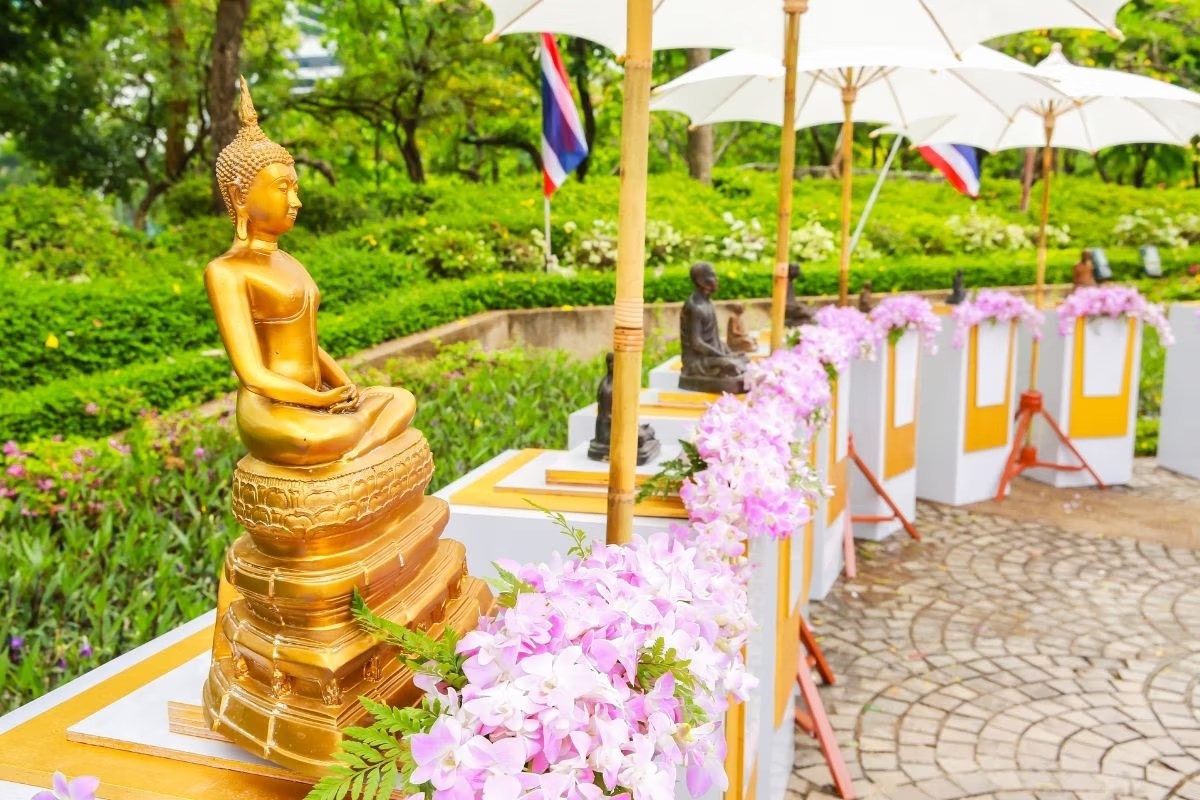
Thailand is well known for its magnificent temples, golden Buddha statues, and deep-rooted Buddhist traditions. While many travelers come to admire the country’s cultural landmarks, visiting Thailand during an important religious holiday offers an even richer experience.
These sacred occasions are not only days of worship but also moments when families gather, communities come together, and centuries-old traditions continue to shape everyday life. Understanding these special days can help visitors appreciate Thai culture while traveling respectfully.
Why Religious Days Matter in Thailand
Buddhism plays an important role in Thai society, influencing everything from festivals and architecture to daily customs and social values. Although Thailand is home to people of many religions, the majority of the population practices Theravada Buddhism.
On important Buddhist holidays, temples become especially lively as people make merit, offer food to monks, meditate, and spend time with their families. For visitors, these occasions provide a unique opportunity to witness authentic cultural traditions beyond the usual tourist attractions.
Makha Bucha Day
Makha Bucha commemorates an extraordinary event in Buddhist history when 1,250 disciples are said to have gathered spontaneously to hear the Buddha’s teachings.
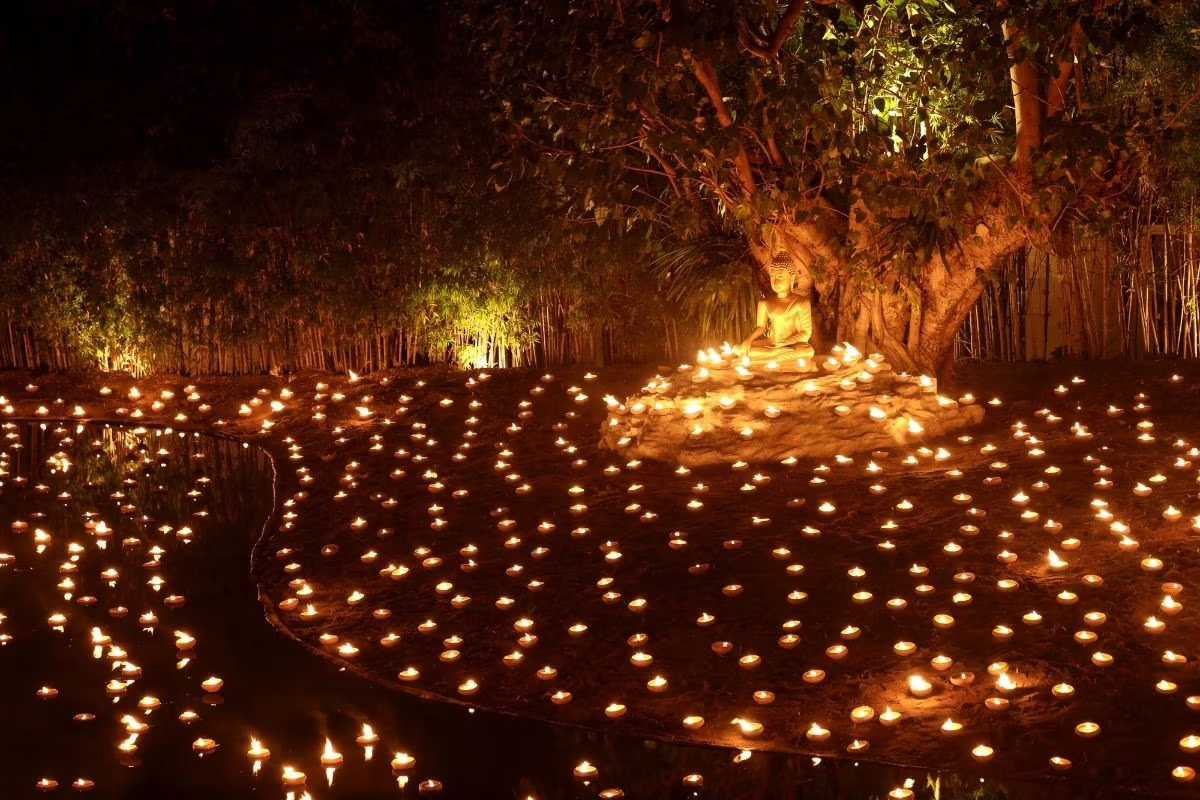
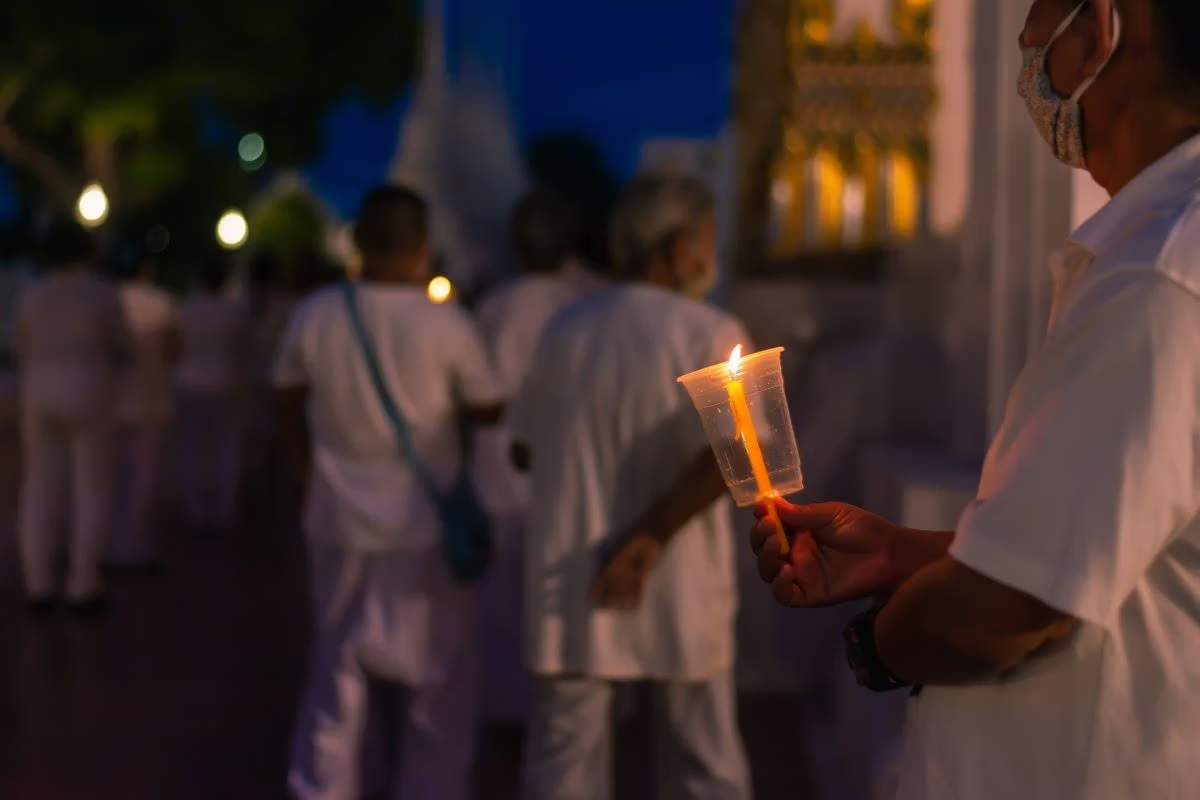
On this day, many Thai people visit temples, light candles, and participate in evening candlelight processions known as Wian Tian. The peaceful atmosphere offers visitors a chance to observe one of Thailand’s most meaningful religious ceremonies.
Visakha Bucha Day
Often considered the most important Buddhist holiday, Visakha Bucha celebrates three significant events believed to have occurred on the same date: the birth, enlightenment, and passing of the Buddha.
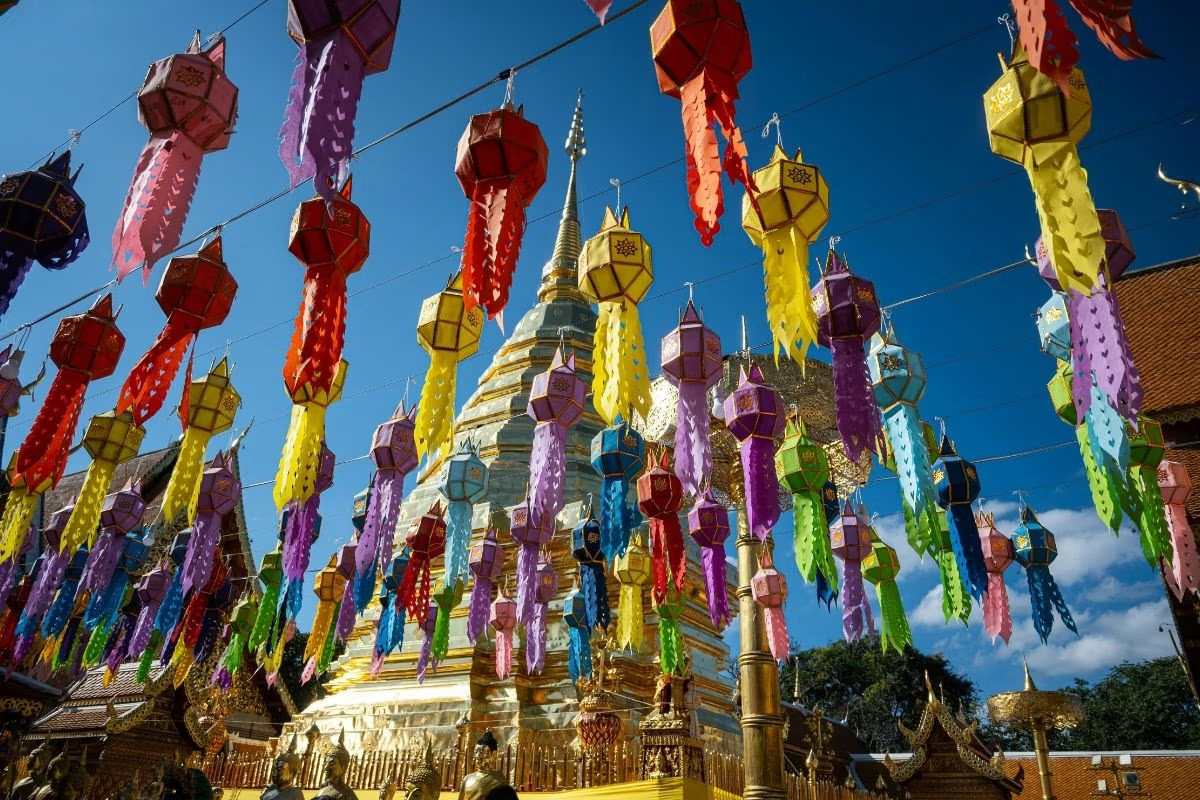
In Chiang Mai, this sacred day is especially meaningful. On the night before Visakha Bucha, many local residents and pilgrims take part in a traditional candlelight pilgrimage up Doi Suthep mountain to Wat Phra That Doi Suthep. The journey is both spiritual and symbolic, as people walk together carrying candles, incense, and flowers while making merit along the way. Reaching the temple at the top, participants join prayers and ceremonies overlooking the glowing lights of Chiang Mai city below, creating a deeply peaceful and unforgettable atmosphere.
Across Thailand, temples welcome worshippers who come to pray, meditate, and perform acts of generosity. Candlelight ceremonies held after sunset create beautiful scenes that are both spiritual and memorable.
Asalha Bucha Day
Asalha Bucha marks the day the Buddha delivered his first sermon after attaining enlightenment. This sermon introduced the core principles of Buddhism and laid the foundation for the Buddhist monastic community.
Visitors may notice increased activity at temples, where ceremonies focus on reflection, learning, and making merit.
Khao Phansa (Buddhist Lent)
Beginning the day after Asalha Bucha, Khao Phansa marks the start of the three-month rainy season retreat for Buddhist monks.
Traditionally, monks remain within their temples during this period to dedicate more time to meditation and study. Many Thai people also choose this season to reduce alcohol consumption, volunteer, or adopt positive personal habits.
One of the most famous celebrations takes place in Ubon Ratchathani, where magnificent wax sculptures are displayed during colorful parades.
End of Buddhist Lent Day
End of Buddhist Lent marks the conclusion of the monks’ three-month retreat.
Across Thailand, communities hold merit-making ceremonies and local festivals. In several provinces, beautiful evening events feature illuminated boats floating along rivers, symbolizing respect, gratitude, and hope for good fortune.
Loy Krathong Festival
Loy Krathong is one of Thailand’s most beautiful and beloved cultural festivals, celebrated on the night of the full moon in the 12th lunar month (usually in November).
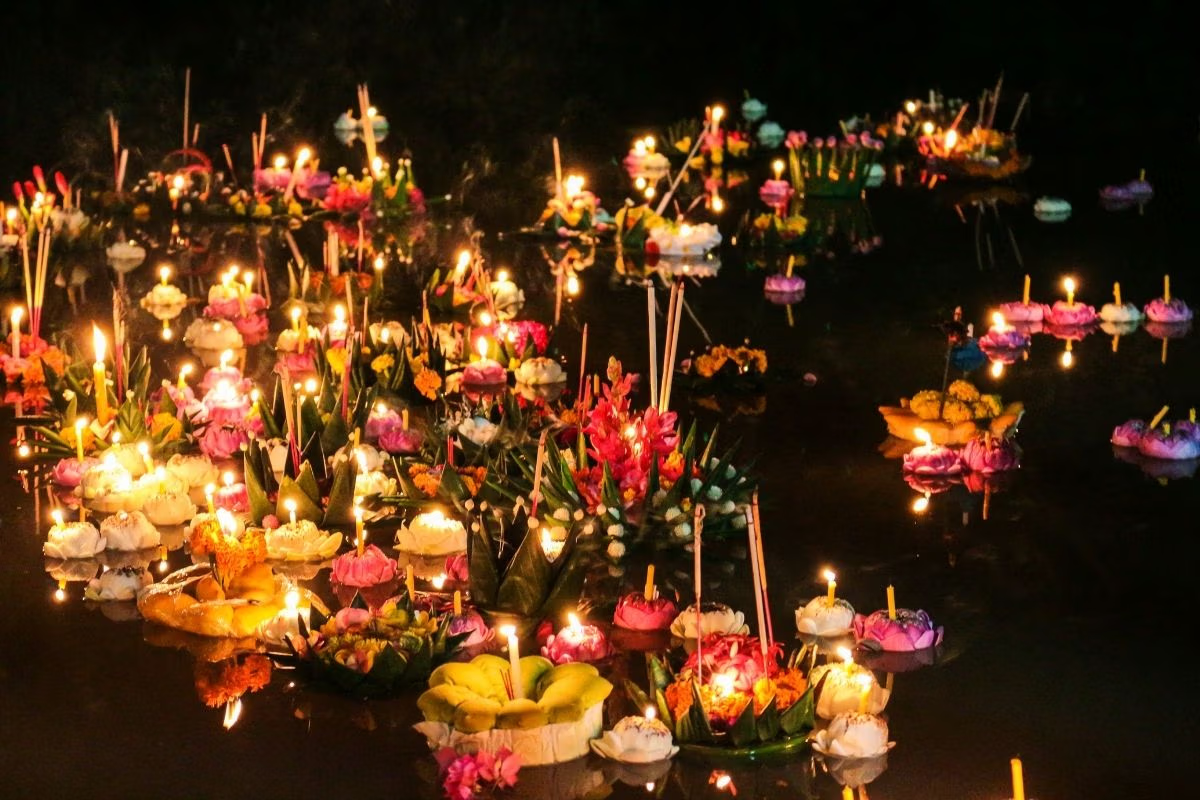
During this magical evening, people gather near rivers, canals, lakes, and ponds to float small decorated baskets called krathongs on the water. These krathongs are traditionally made from banana leaves and decorated with flowers, candles, and incense.
The act of floating a krathong symbolizes letting go of negativity, bad luck, and past mistakes, while also making wishes for the future. It is a moment of reflection, gratitude, and renewal.
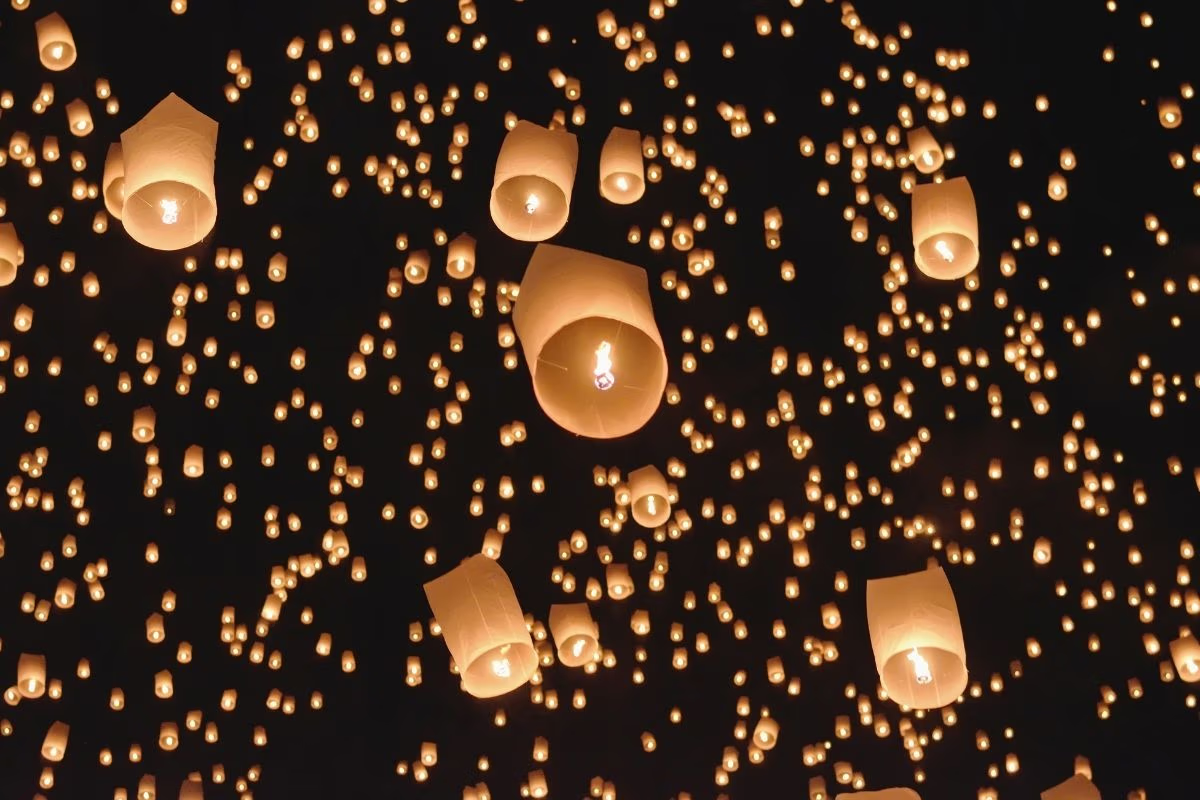
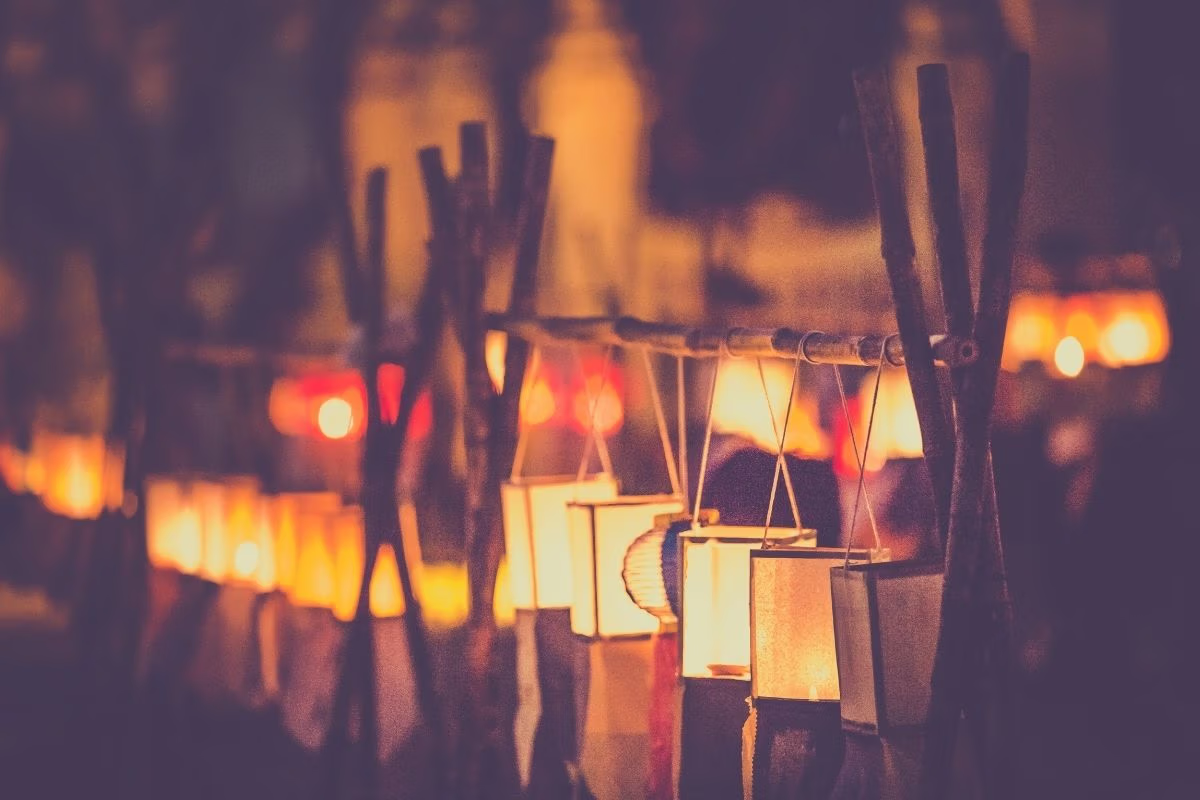
In Chiang Mai, Loy Krathong is celebrated together with the Yi Peng Lantern Festival, where thousands of glowing lanterns are released into the night sky. The combination of floating lights on the river and lanterns in the sky creates one of the most breathtaking scenes in Thailand.
For visitors, Loy Krathong offers a truly unforgettable cultural experience filled with beauty, symbolism, and peaceful celebration.
Songkran: A Spiritual New Year
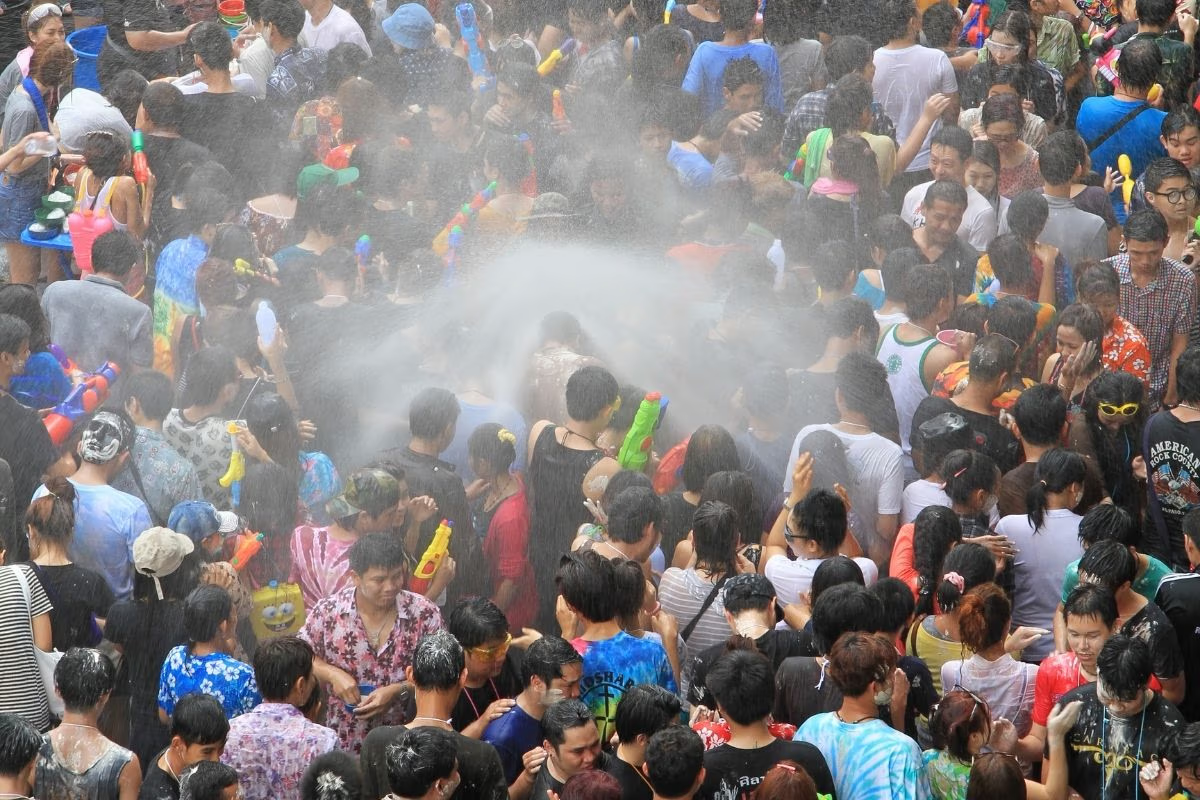
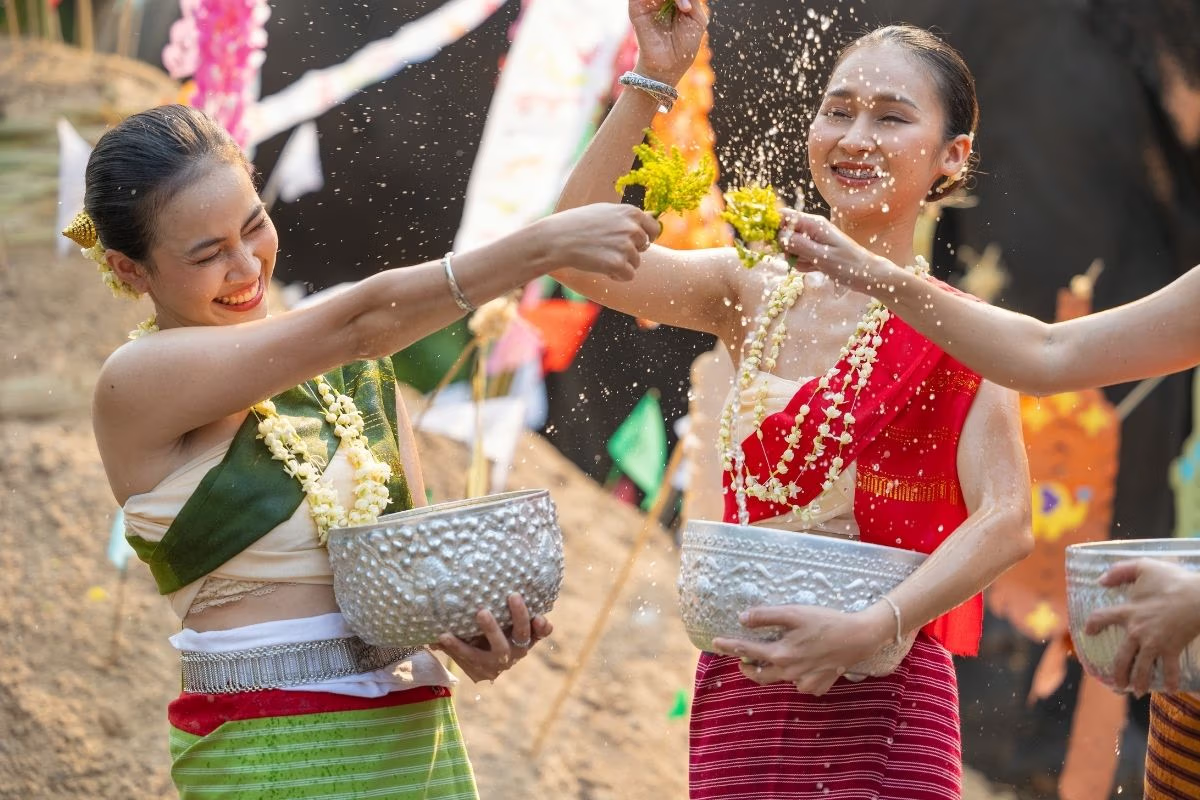
Although internationally famous for lively water fights, Songkran has deep religious significance.
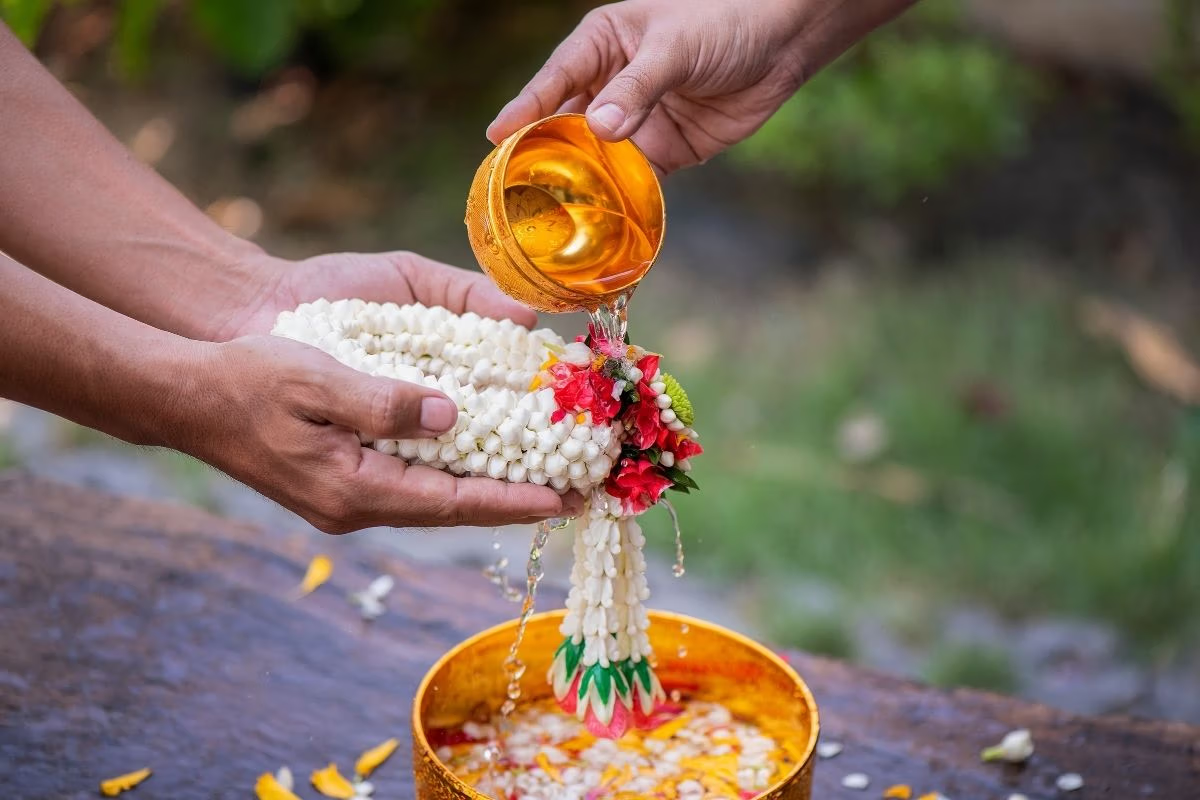
Many Thai families begin the festival by visiting temples, offering food to monks, cleaning Buddha statues, and showing respect to parents and grandparents through traditional water-pouring ceremonies. These customs represent purification, gratitude, and new beginnings.
What Visitors Should Know
If your trip coincides with one of Thailand’s religious holidays, a little awareness can make your experience more meaningful.
- Dress modestly when visiting temples.
- Remove your shoes before entering temple buildings.
- Speak quietly and respect ongoing ceremonies.
- Avoid pointing your feet toward Buddha images.
- Ask permission before photographing monks or worshippers.
- Be aware that alcohol sales may be restricted on major Buddhist holidays.
Showing respect is always appreciated and helps create positive interactions with local communities.
A Meaningful Cultural Experience
Thailand’s religious holidays are more than dates on a calendar. They reflect values of kindness, gratitude, generosity, and mindfulness that continue to influence everyday life.
Whether you attend a candlelight procession, watch local families making merit at a temple, or join the magical Loy Krathong celebrations, these special days offer a deeper understanding of Thai culture beyond its famous attractions.
Traveling during one of Thailand’s religious festivals allows you to experience not only beautiful traditions but also the warm spirit that makes the country so memorable.
Discover Thailand
with Chiang Mai Popular Tour
Our local guides are passionate about sharing not only Thailand's famous landmarks but also the traditions and stories behind them. If you're planning your visit during one of Thailand's important religious holidays, we'll help you experience these meaningful occasions with respect, insight, and unforgettable memories.