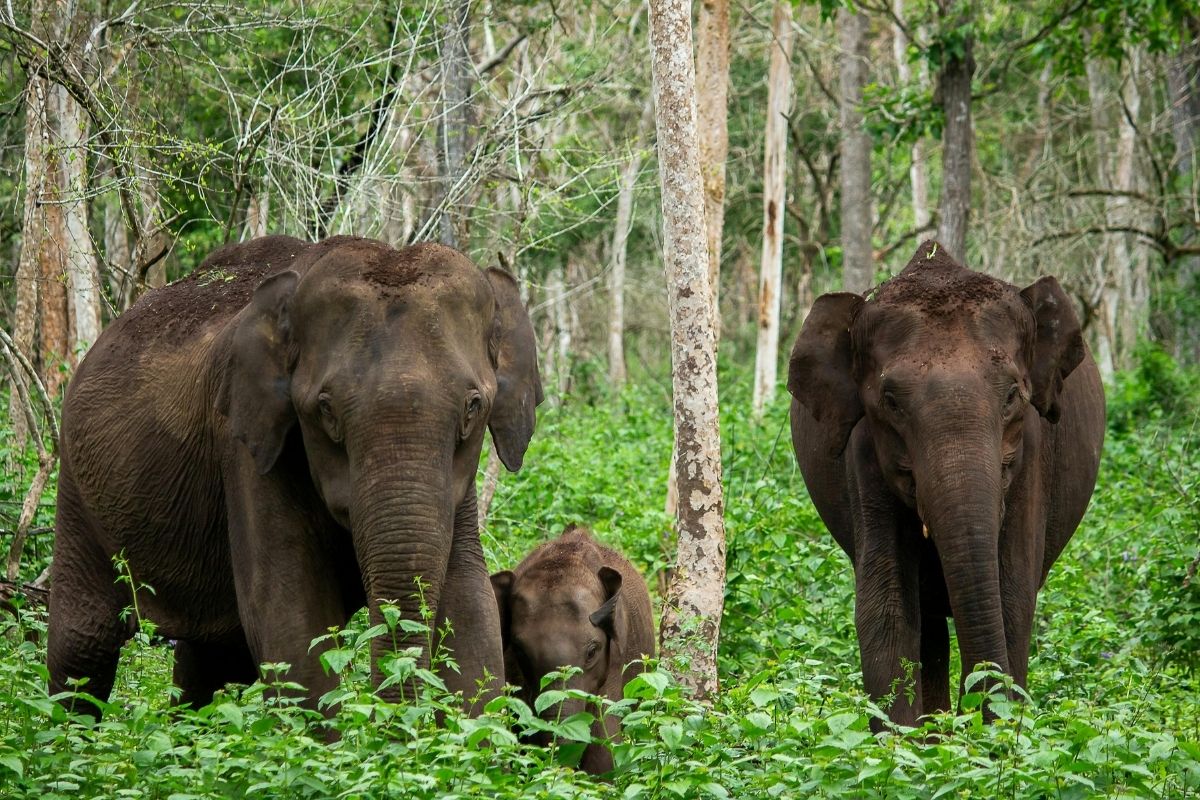
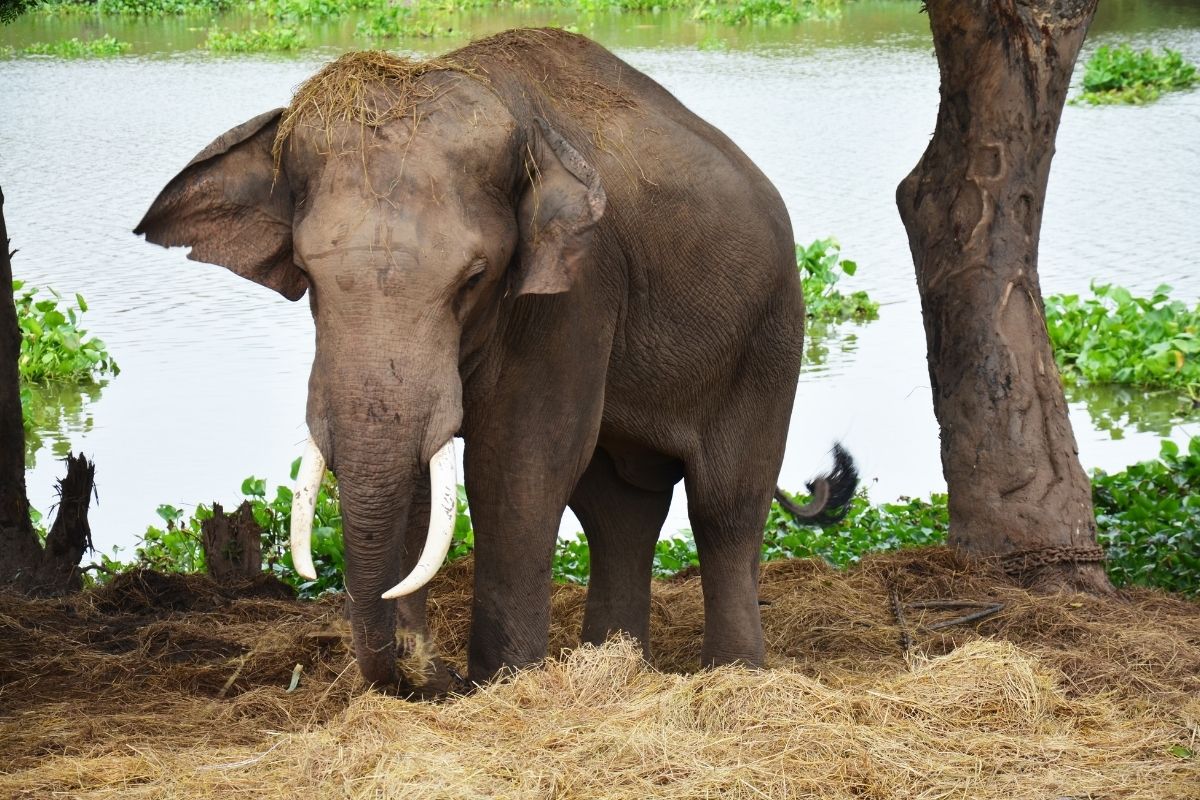
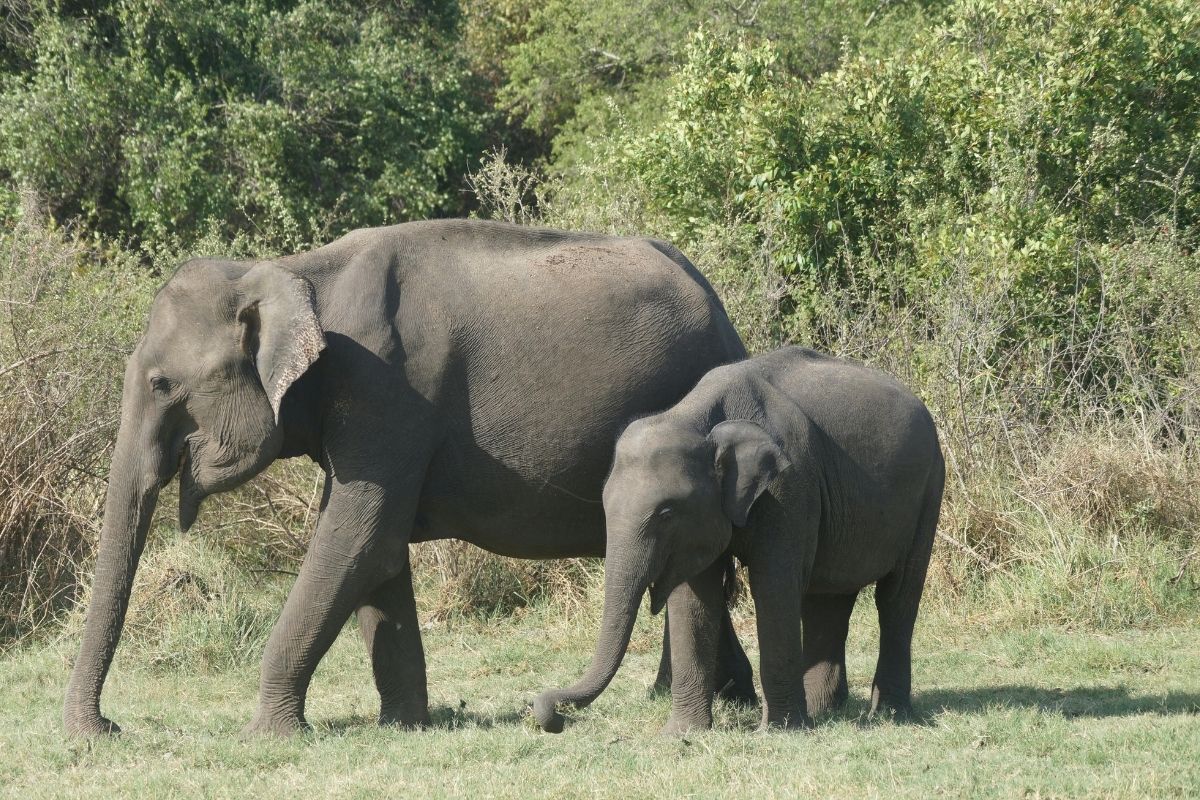
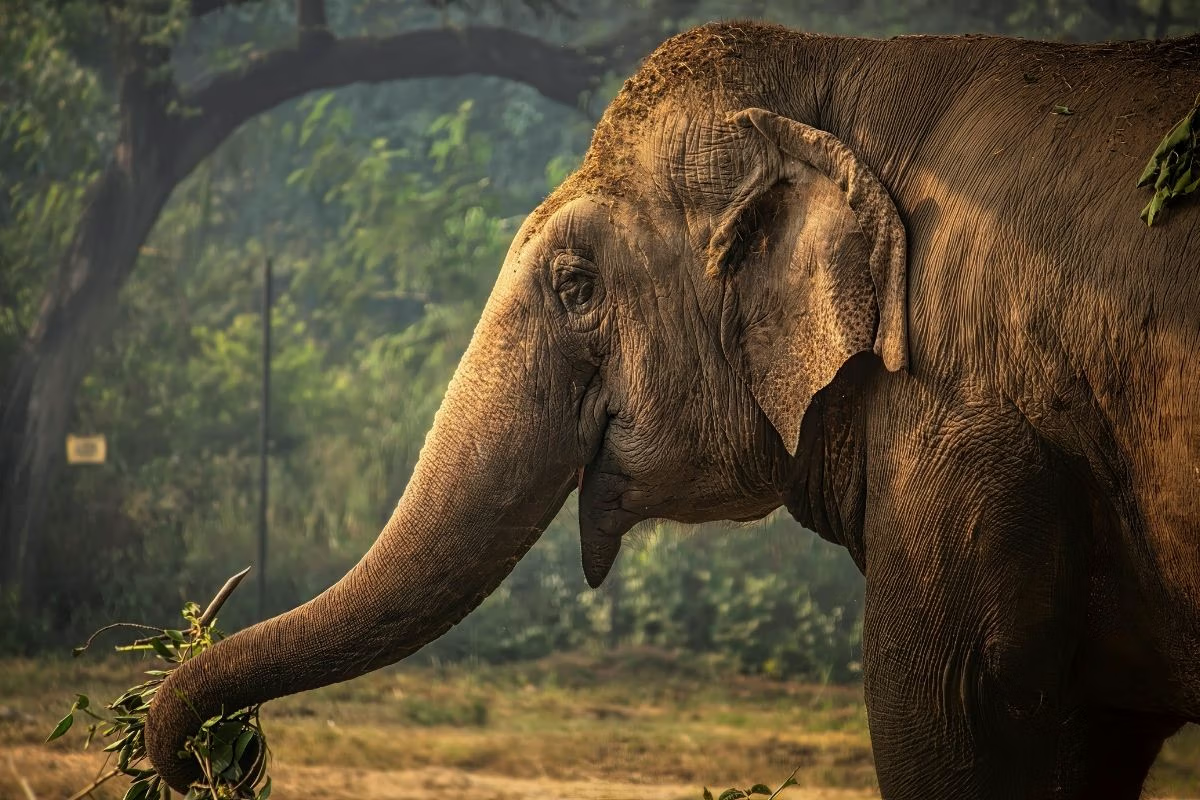
Past
Elephants played a vital role in war, transportation, and building the nation.
Present
They are cheished symbols of Thailand's culture, nature, and tourism.
Future
Conservation and responsible tourism help protect elephants for generations to come.
Respect | Protect | Preserve
Small choices today create a better world for elephants tomorrow.
Honouring Thailand's Gentle Giants
Every year on 13 March, Thailand celebrates National Thai Elephant Day, a special occasion dedicated to recognising the country’s most iconic animal. More than a national symbol, the elephant has been part of Thai history, culture, and everyday life for centuries.
For generations, elephants played an important role in building communities, transporting goods through dense forests, and even supporting ancient kingdoms during times of conflict. Today, their role has changed, but their importance to Thailand remains as strong as ever.
National Thai Elephant Day is not simply a celebration—it is also a reminder of the responsibility we all share in protecting these remarkable animals. Habitat loss, changing landscapes, and human activity have reduced wild elephant populations over time, making conservation more important than ever.
Across Thailand, elephant sanctuaries, conservation centres, schools, and local communities organise educational activities to help people better understand elephant behaviour, welfare, and conservation efforts. These events encourage visitors to appreciate elephants in ways that respect their natural instincts and well-being.
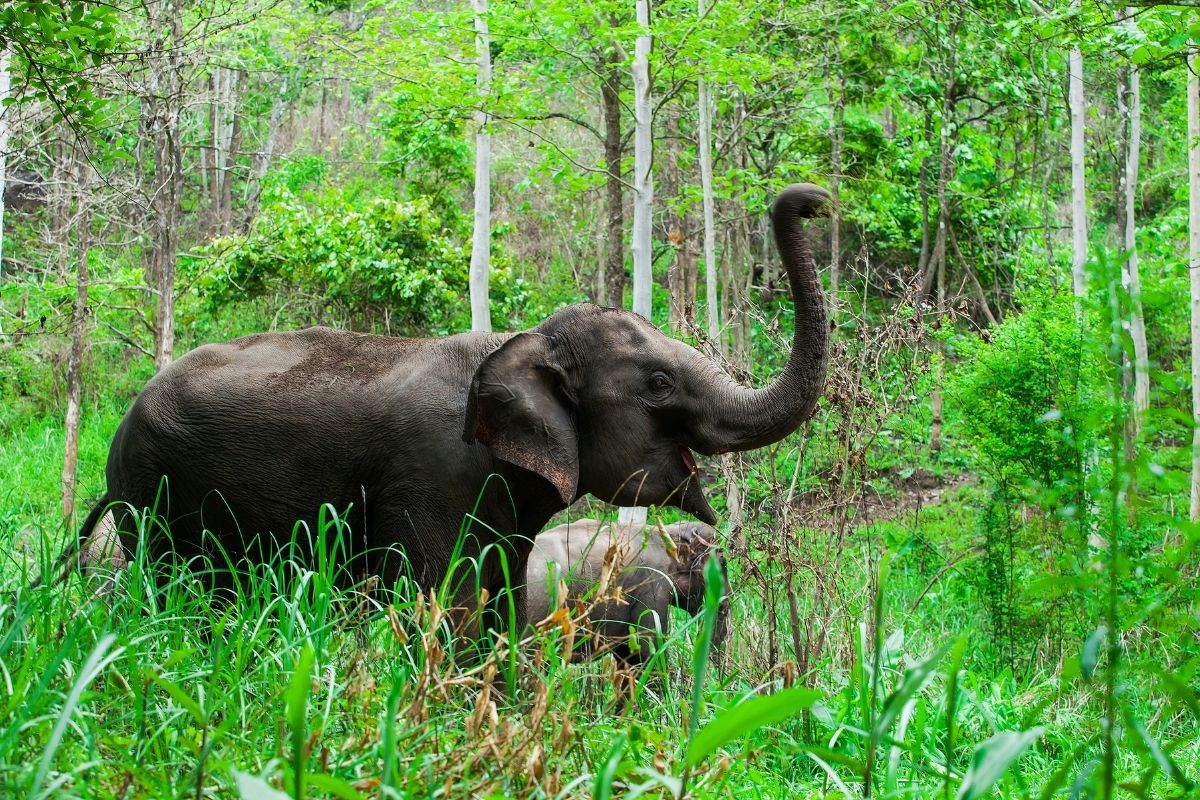
The Thai Elephant in Culture
The elephant has long represented strength, wisdom, patience, and loyalty in Thai culture. It appears in traditional art, literature, royal history, and religious stories, symbolising prosperity and good fortune. Although white elephants are extremely rare, they have historically been regarded as symbols of honour and were closely associated with the Thai monarchy.
Even today, elephants continue to hold a special place in the hearts of Thai people. Many local festivals, handicrafts, paintings, and cultural performances are inspired by the country’s deep connection with these magnificent animals.
Responsible Elephant Experiences
Modern travellers have an opportunity to support ethical tourism by choosing experiences that prioritise elephant welfare. Responsible elephant sanctuaries focus on allowing elephants to live naturally, giving them space to forage, socialise, bathe, and roam freely.
When visiting an elephant sanctuary, consider choosing places that:
- Prioritise elephant welfare above entertainment.
- Allow elephants to behave naturally.
- Provide large natural environments.
- Educate visitors about conservation.
- Support rescue and rehabilitation programmes.
By making thoughtful choices, visitors help encourage better standards of animal welfare throughout the tourism industry.
Celebrate with Respect
National Thai Elephant Day reminds us that protecting wildlife begins with understanding and respect. Whether you are visiting Thailand for the first time or returning to explore more of its rich culture, learning about Thai elephants offers a deeper appreciation of the country’s heritage and natural beauty.
Every responsible visit, every conservation effort, and every person who chooses ethical wildlife experiences helps ensure that future generations can continue to admire Thailand’s gentle giants for many years to come.